in development
Experiments other people can rebuild.
laborium connects setup, measurement data, devices, analysis and documentation — so that an idea becomes an experiment someone else can reproduce.
The problem
An experiment falls apart into five different tools.
The setup sits in notes, readings sit in files, devices have their own software, the analysis lives in a script, and the result ends up in a document.
The connection between them is easily lost.
The solution
laborium holds experiment, devices, data and documentation together.
laborium connects setup, measurement, devices and documentation into one sequence you can follow.
Software and modular hardware are meant to work together closely enough that an experiment can not only be run, but later understood and rebuilt.
The interface
What you see when you open it.
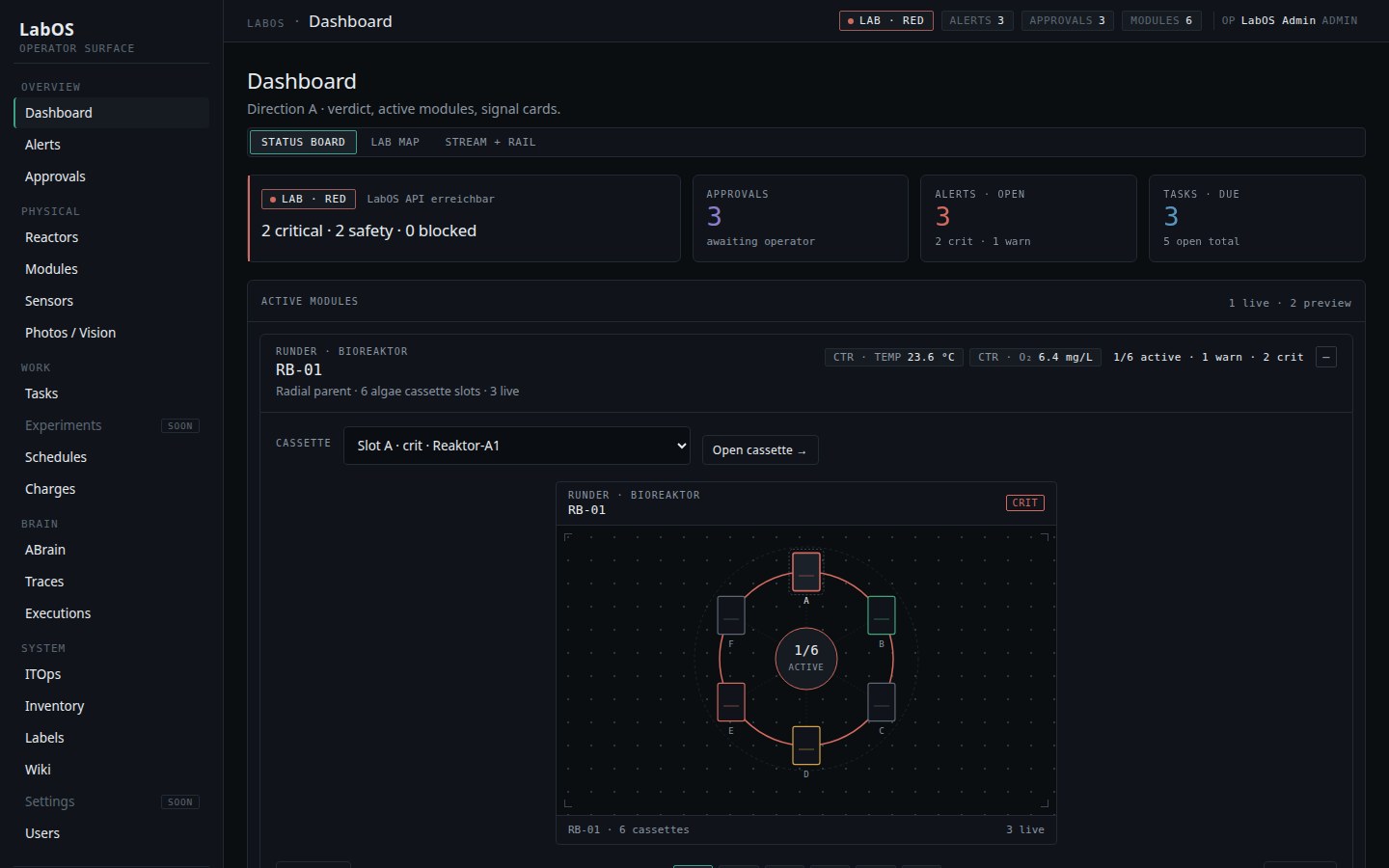
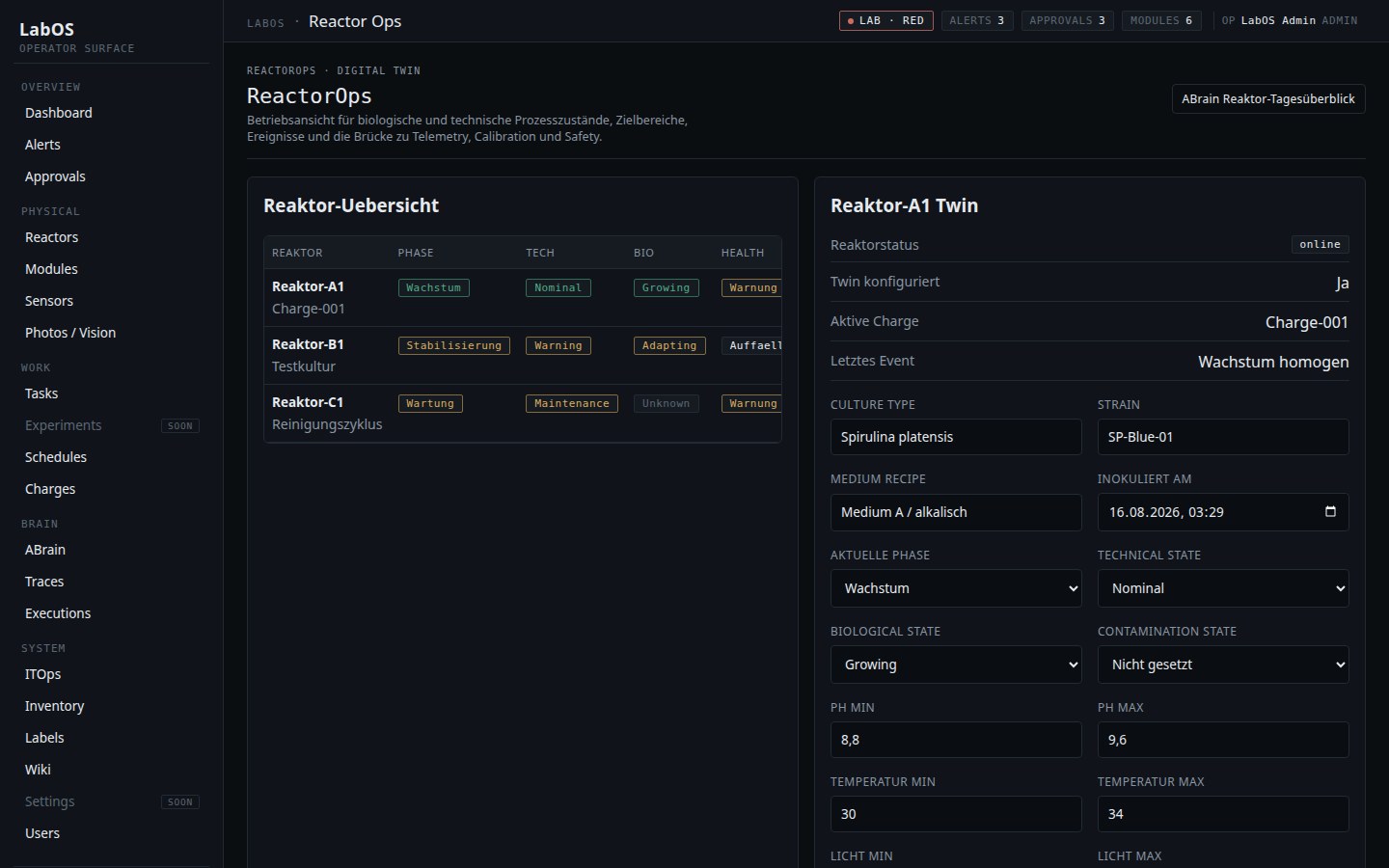
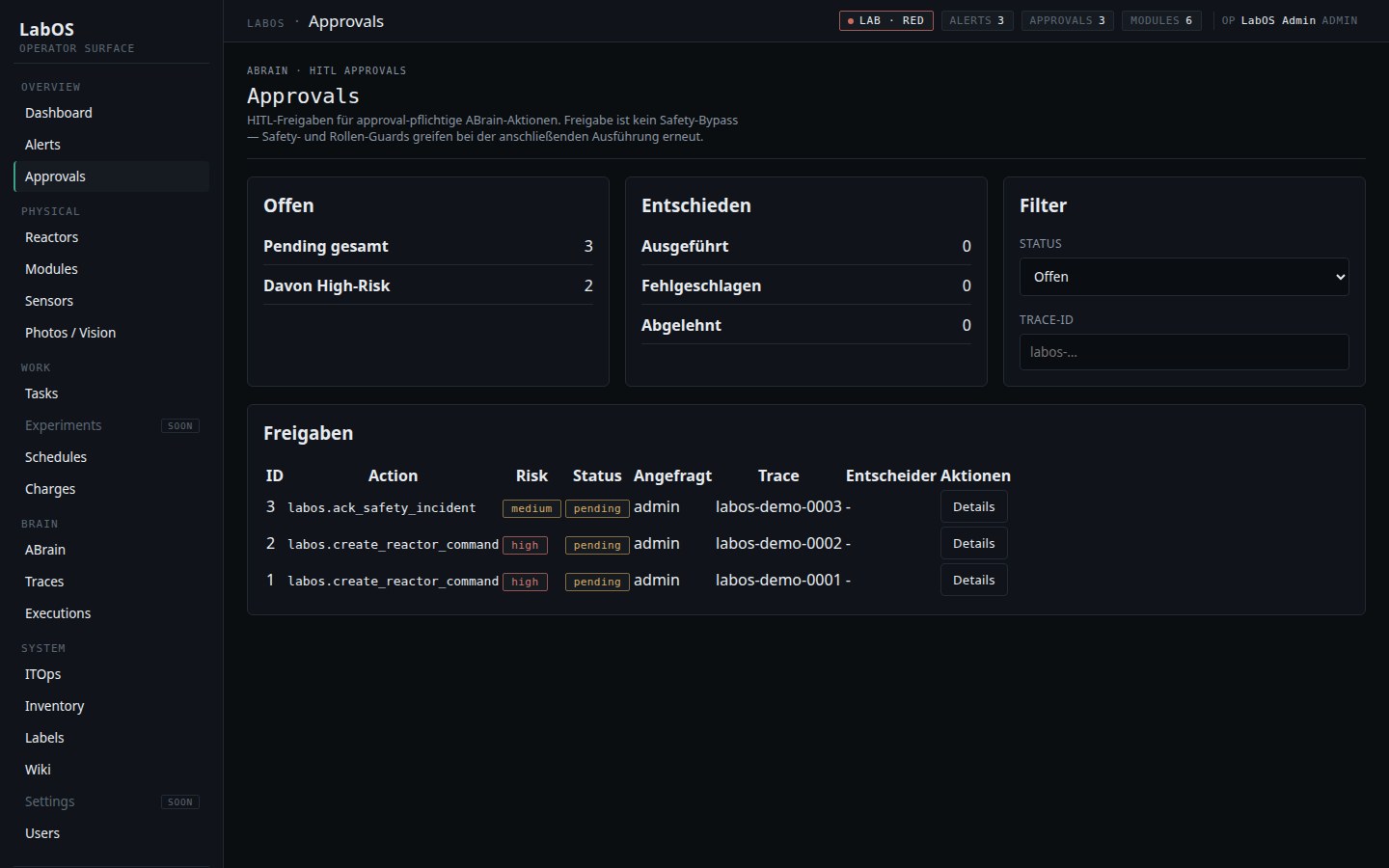
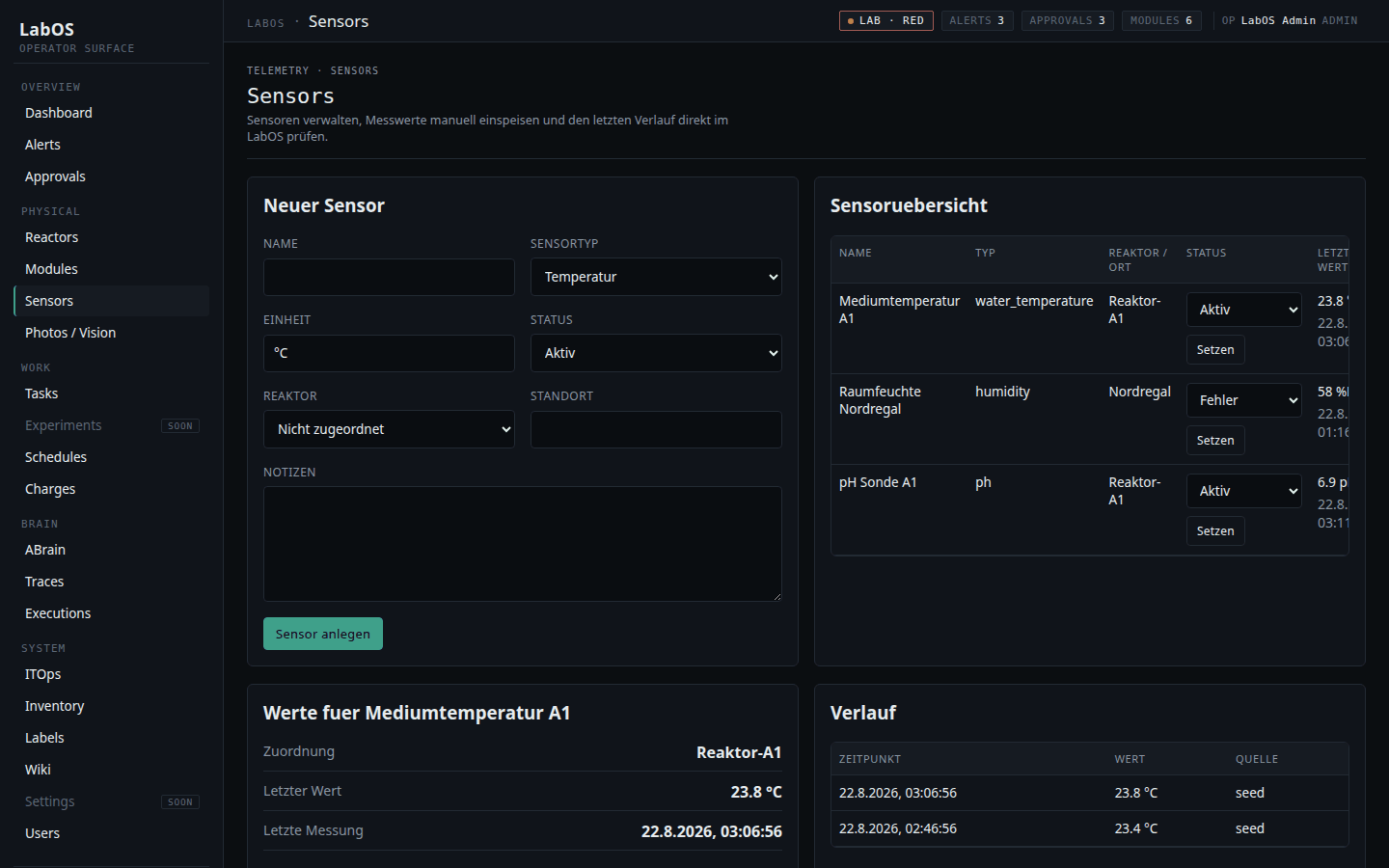
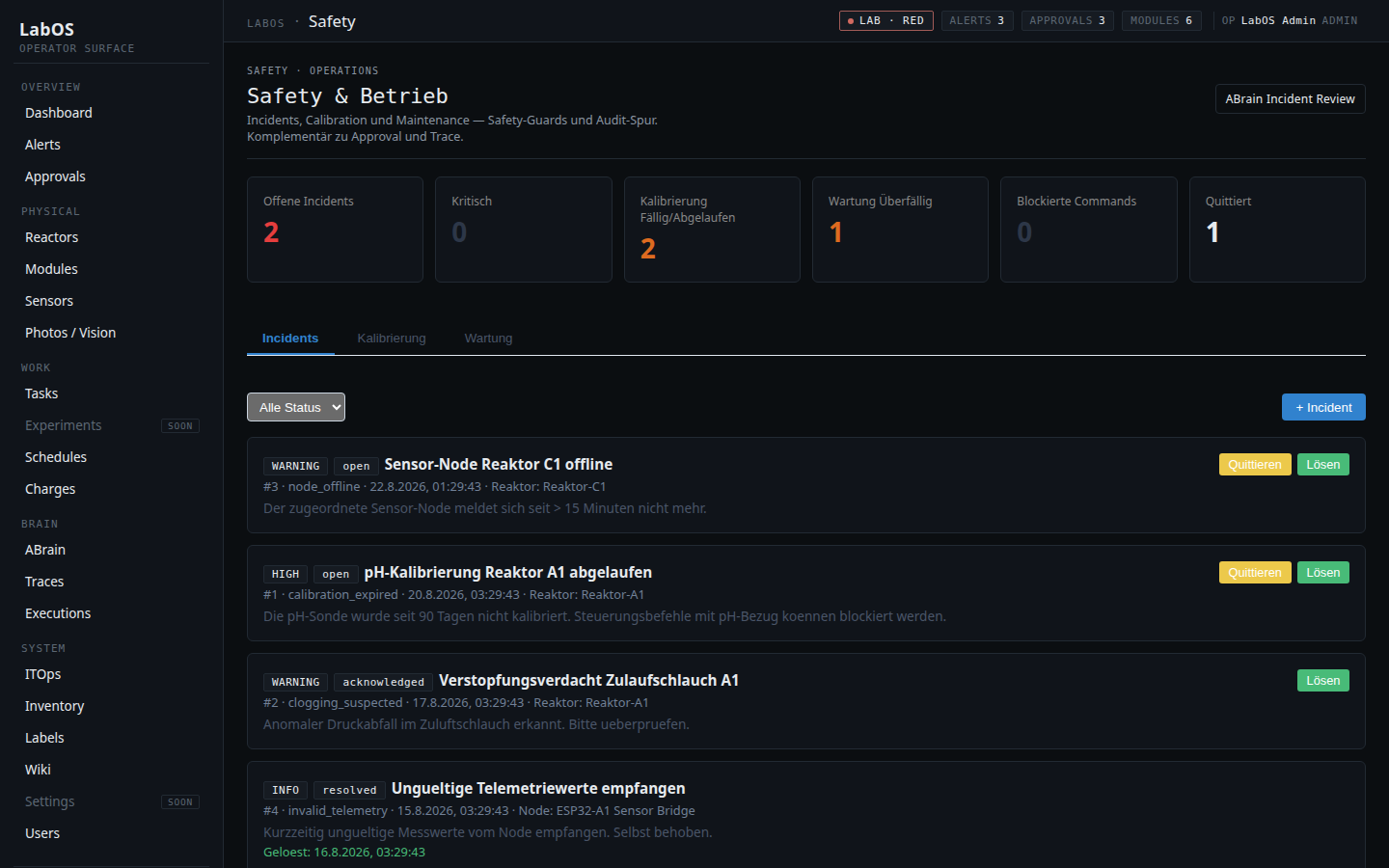
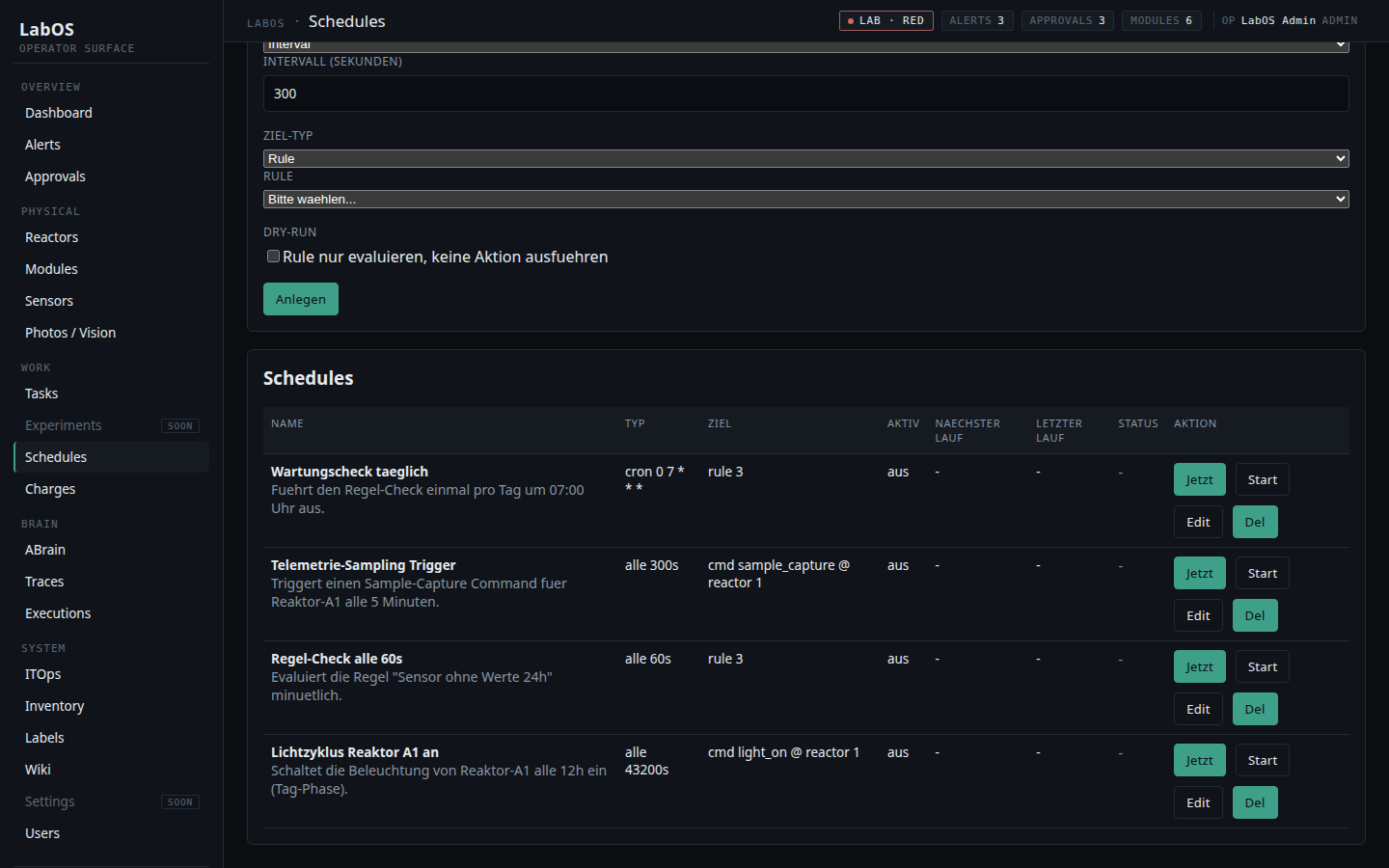
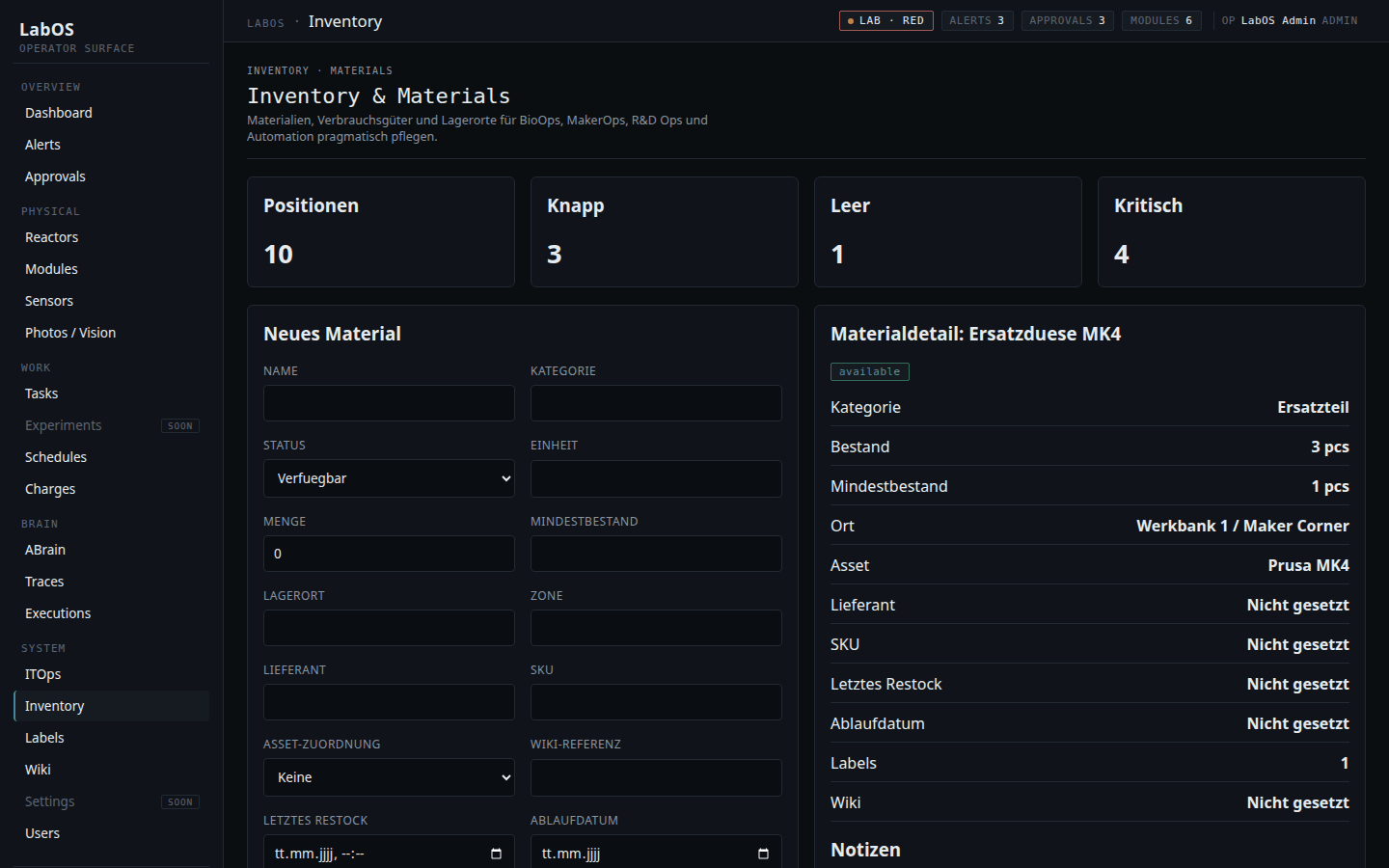
One place
Setup, measurement series and analysis belong together.
Create the experiment, connect devices and sensors, let the measurements run, analyse, publish. Any change to the setup stays attached to the data it belongs to. The basis is published openly, including the hardware documentation.
From the kitchen table to the school lab
For everyone who wants to measure seriously.
Citizen science, makerspaces, education providers, school projects — and anyone who wants to measure something over half a year and end up with more than a spreadsheet. Getting started should not require programming.
The hardware for it
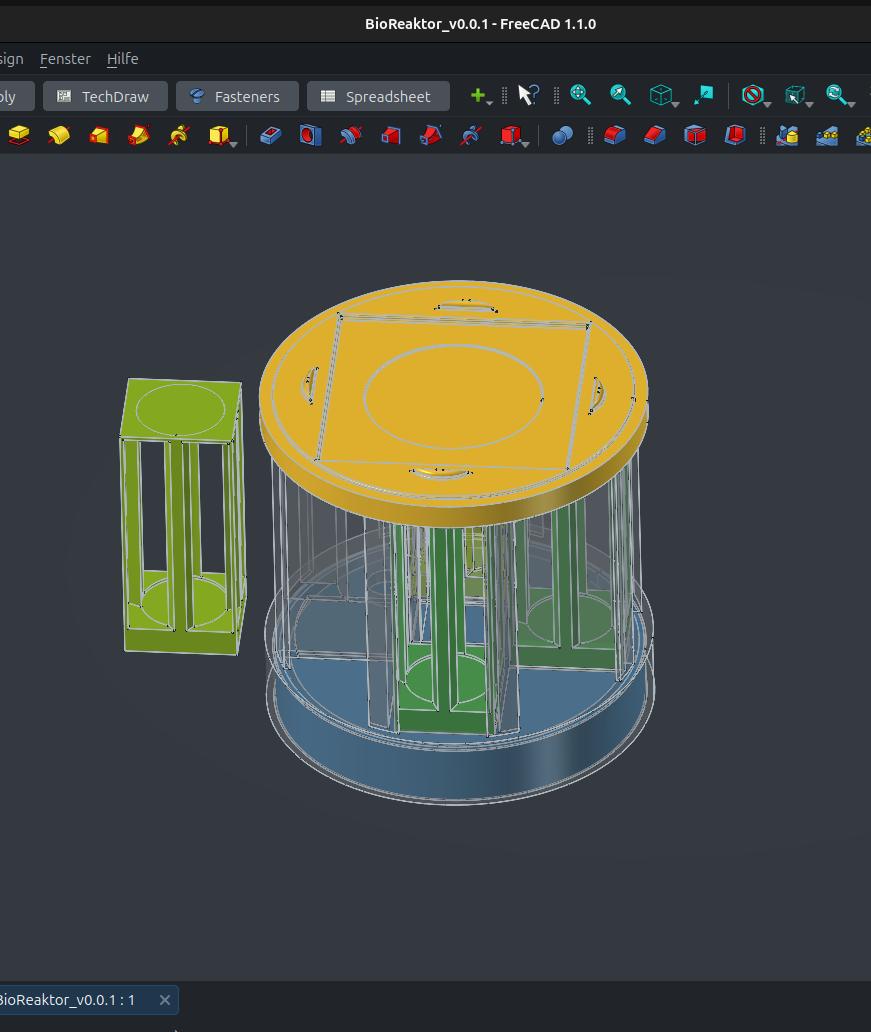
A benchtop lab you can plug together.
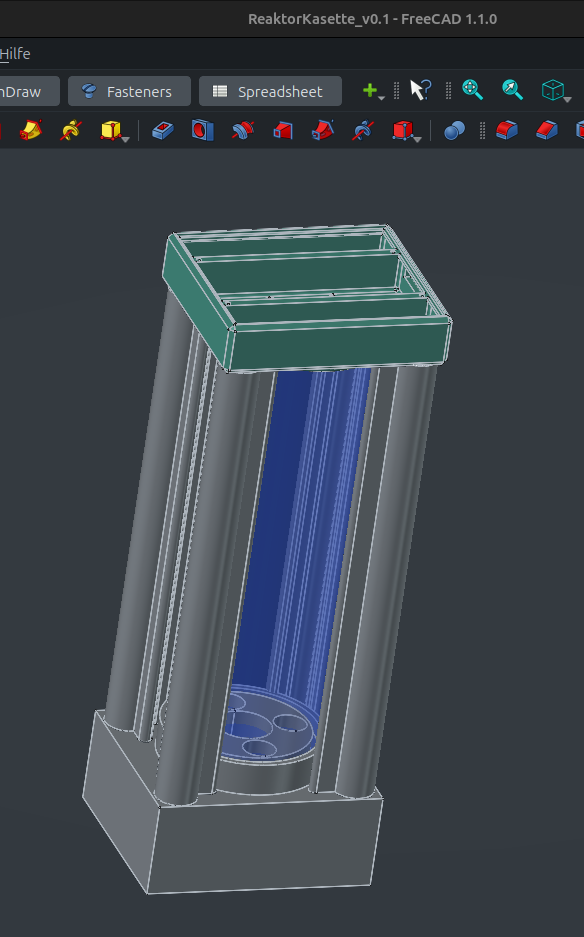
laborium comes with modular hardware in development: reactors, a cassette system for switching quickly from one experiment to the next, and module carriers connecting cassettes, sensors and supply. Intended as open build plans — to build yourself or to get assembled, as with the smolit node.
For those who want the detail
What runs underneath.
- Runs locally and offline on a Raspberry Pi 4 or 5, and on x86_64 — without a forced cloud
- Tool interface (MCP) for smolit — the assistant helps, the person decides
- Software under AGPL-3.0; the hardware documentation is set up to be free
Where it stands
Where laborium is.
Today
- The software runs locally and offline, including on a Raspberry Pi.
- Setup, measurement series and approvals hold together.
- The interfaces shown do run — with demo data.
Next
- The first use in a real lab.
- The full chain from question to published finding.
After that
- Parts list and build plans for the lab hardware.
- Publishing the repositories.
Waitlist
Run an experiment with laborium.
We are setting up the first real test environments. The waitlist is how we let people know about new places.
Non-binding, and not a guarantee of access.